The elmendorf tear tester price is one of the most frequently discussed topics among textile manufacturers, quality control laboratories, and material testing professionals. As industries continue to demand higher precision in fabric and material evaluation, the need for reliable tear testing equipment has grown significantly. Understanding the cost of an Elmendorf tear tester is not just about numbers; it is about evaluating performance, accuracy, durability, and long-term value in industrial applications.
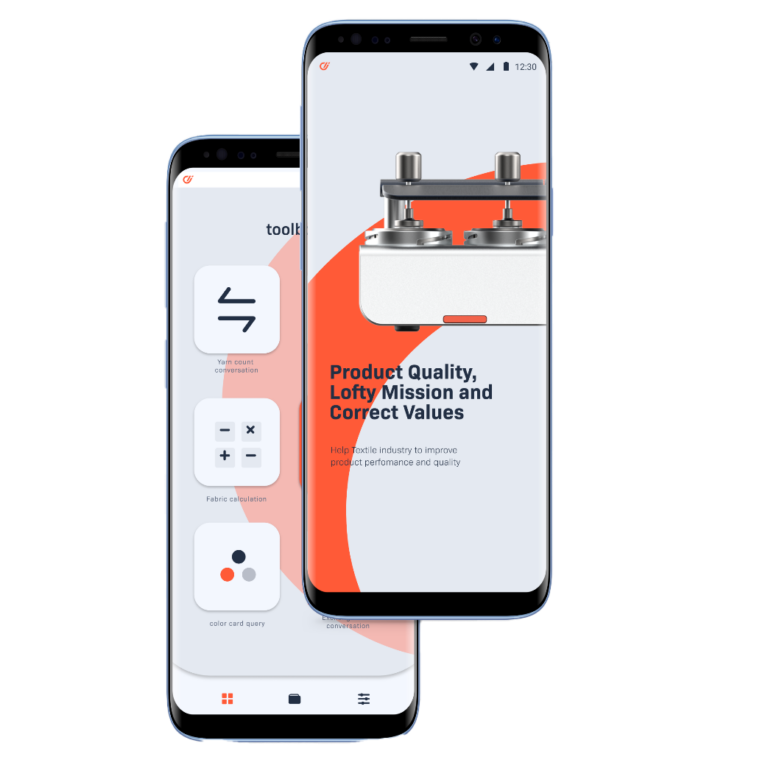
Elmendorf tear testers are widely used in textile engineering, packaging industries, paper manufacturing, and polymer testing labs. Since these machines play a crucial role in determining tear resistance properties, their pricing becomes an important consideration for businesses aiming to maintain high-quality production standards.
Is Elmendorf Tear Tester Price Expensive in Today’s Market?
The discussion around elmendorf tear tester price often begins with concerns about affordability. In today’s market, the cost of these machines varies widely depending on their specifications, technology level, and compliance with international testing standards such as ASTM D1424 and ISO 1974.
Entry-level Elmendorf tear testers are generally more affordable and are suitable for small laboratories or educational institutions. However, advanced digital models designed for high-precision industrial testing tend to be significantly more expensive. These high-end machines often include automated features, digital displays, data storage systems, and enhanced calibration accuracy, which increase their overall value.
Despite the initial investment, many industries consider the elmendorf tear tester price justified due to its long-term benefits. Accurate tear resistance testing helps prevent product failures, reduces material waste, and ensures compliance with global quality standards. This makes it a cost-effective investment in the long run, especially for textile manufacturers and packaging companies.
Which Factors Influence Elmendorf Tear Tester Price?
Several technical and industrial factors directly influence the elmendorf tear tester price, making it essential to understand what drives cost variations in the market.
One of the primary factors is the level of automation. Manual Elmendorf tear testers are generally less expensive, while semi-automatic and fully digital versions come at a higher price due to advanced features such as electronic sensors, digital force measurement, and automated result calculation.
Another important factor is build quality and material durability. Machines constructed with high-grade industrial components tend to last longer and provide more consistent results, which increases their price range. Additionally, models that comply with multiple international standards are usually priced higher because of their broader usability in global testing environments.
Brand reputation also plays a significant role in determining cost. Established manufacturers in the textile testing equipment industry often charge more due to their proven reliability, after-sales support, and calibration services. These factors contribute to overall machine value beyond just the base price.
Technological advancements further affect pricing. Modern Elmendorf tear testers equipped with touchscreen interfaces, data export capabilities, and integrated software systems are more expensive than traditional mechanical models. However, they offer greater efficiency and improved testing accuracy, which is highly valued in industrial applications.
Price Range Across Global Markets
The elmendorf tear tester price varies significantly across different regions and suppliers. In international markets, basic models typically fall within a lower price range, making them accessible to small-scale laboratories and academic institutions. These models are suitable for standard tear resistance testing in controlled environments.
Mid-range Elmendorf tear testers are more commonly used in commercial textile and packaging industries. These machines offer better accuracy, improved calibration systems, and moderate automation features. Their price reflects a balance between performance and affordability, making them a popular choice among medium-sized manufacturers.
High-end Elmendorf tear testers represent the premium segment of the market. These machines are designed for advanced industrial use, where precision and repeatability are critical. They are often integrated with digital software systems, advanced force measurement technology, and multi-standard compliance features. As a result, their price is significantly higher, but they deliver superior performance and long-term reliability.
Import duties, shipping costs, and regional supplier availability also affect the final elmendorf tear tester price in different countries. In developing markets, prices may vary due to currency fluctuations and local distribution networks, making it important for buyers to compare suppliers carefully before making a purchase decision.
Conclusion Elmendorf Tear Tester Price Insight
The elmendorf tear tester price reflects much more than just the cost of a laboratory instrument. It represents the value of precision, durability, and quality assurance in material testing processes. While prices vary depending on technology level, brand, and features, the investment in an Elmendorf tear tester is essential for industries that rely on accurate tear resistance data.
From textile manufacturing to packaging production, this equipment plays a vital role in ensuring product reliability and compliance with international standards. Although the initial cost may seem significant, the long-term benefits in terms of quality control, reduced material failure, and improved production efficiency make it a valuable asset for any testing laboratory.